

Is Your Fleet Ready for the Mandatory SLD Enforcement?
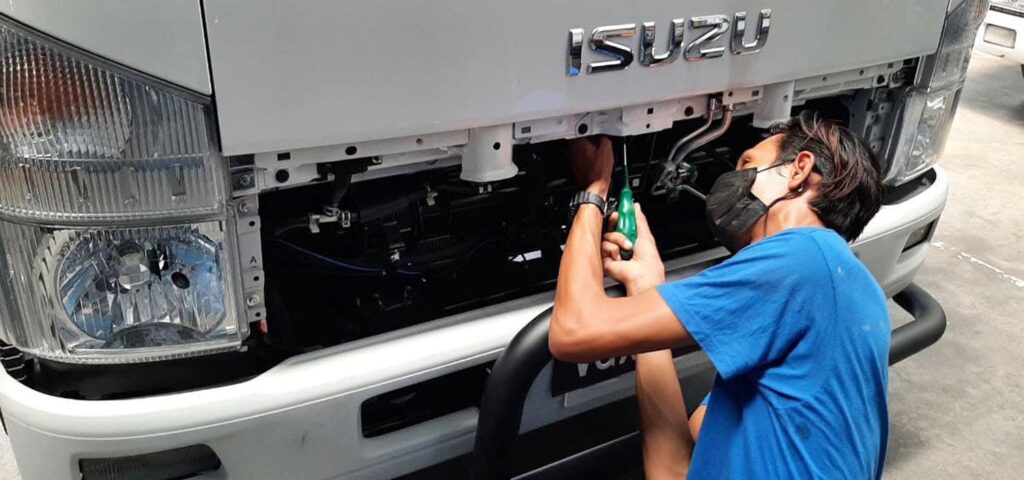
Effective October 1, 2025, the Malaysian Ministry of Transport — under Transport Minister Anthony Loke — has mandated the enforcement of Speed Limitation Devices (SLD) on all commercial vehicles operating on public roads. For fleet operators, logistics companies, and transport businesses across Malaysia, this is not just a regulatory update. It is an urgent operational priority.
At Gussmann, we specialize in GPS fleet management and vehicle tracking solutions for commercial vehicles. We help businesses across Malaysia not only meet JPJ compliance requirements but also protect their drivers, reduce costs, and build a safer, smarter fleet.
In this article, we break down everything you need to know about the mandatory SLD enforcement and how Gussmann can help your business navigate every phase with confidence.
What Is a Speed Limitation Device (SLD)?
A Speed Limitation Device — commonly referred to as SLD — is an electronic system that automatically caps a vehicle’s maximum speed through its Engine Control Unit (ECU). Unlike traditional cruise control, which a driver manually activates, an SLD is a permanent, system-level restriction.
Under the new Malaysian regulation, SLDs must limit commercial vehicles to a maximum of 90 km/h. This cap applies even on highways where the posted speed limit may be higher — bringing Malaysia in line with international road safety standards used across Europe, Australia, and Southeast Asia.

Who Is Affected? Vehicles Under the Mandatory SLD Rule
The regulation applies to a broad range of commercial vehicles. Your business is likely affected if you operate any of the following:
- Express buses and tour buses
- Heavy goods vehicles (HGV) exceeding 3,500 kg gross vehicle weight
- Passenger vehicles carrying more than 8 passengers, subject to weight thresholds
If your business runs a logistics fleet, intercity passenger transport, or any heavy haulage operation in Malaysia, SLD compliance is now a legal requirement — not an option.
Malaysia SLD Enforcement Timeline: 3 Phases You Must Know
The enforcement follows a phased implementation schedule designed to give fleet operators time to comply. However, Phase 1 is already active. Here is the full compliance timeline:
| Phase | Deadline | Requirement |
| Phase 1 | 1 October 2025 | Vehicles manufactured after Jan 1, 2015 must verify SLD is functioning |
| Phase 2 | 1 January 2026 | Older vehicles (pre-2015) must activate SLD in their ECU |
| Phase 3 | 1 July 2026 | Vehicles without built-in SLD must install a JPJ-approved retrofit device |
⚠ Phase 3 (July 1, 2026) is particularly critical for older fleets that do not have a built-in SLD in their ECU. These vehicles will require a JPJ-approved retrofit device — and Gussmann is an authorized provider of compliant SLD retrofit solutions.

What Documentation Does Your Business Need?
Compliance is not just about the hardware. Your fleet operators must also maintain and produce the correct documentation:
- An SLD Functionality Verification Report, obtained from the vehicle manufacturer or an authorised workshop
- This report must be renewed every 2 years
- The document must be presented during Puspakom inspections
- The document must also be submitted when applying for or renewing permits with APAD (Agensi Pengangkutan Awam Darat)
Failure to produce these documents during inspections could result in permit suspension, failed roadworthiness checks, or operational disruptions for your business.
Get Your Fleet SLD-Compliant Today
The SLD enforcement deadline is here. Don’t let compliance issues disrupt your operations.
Gussmann’s team of GPS and SLD specialists is ready to assess your fleet, recommend the right solution, and get your vehicles inspection-ready — fast.
✉️ Contact Gussmann today for a free fleet compliance consultation.
Email: Joysonyim@g1.com.my
